


Is the 2026 NINJA® 650’s Seat Height Right for Riders in Carthage, MO?
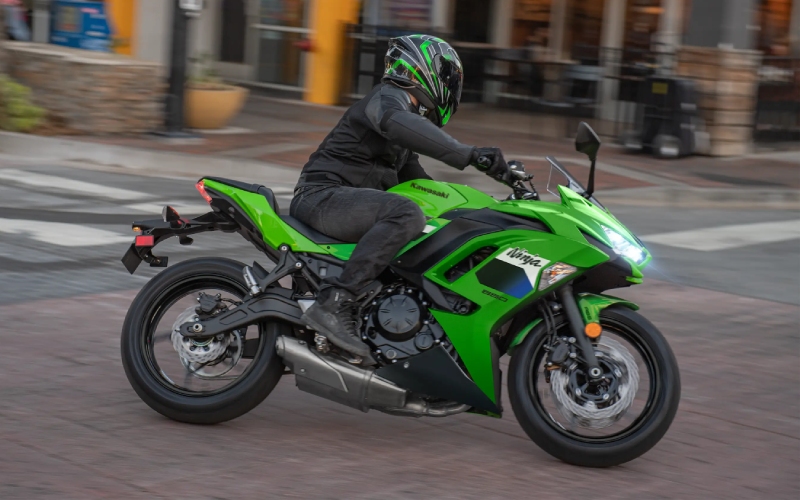
Jay Hatfield Motorsports of Joplin - Is the 2026 NINJA® 650’s Seat Height Right for Riders in Carthage, MO?
Rider fit determines confidence, control, and the kind of rides you look forward to day after day. The 2026 Kawasaki NINJA® 650 lists a 31.1-inch seat height, but numbers only tell part of the story—seat shape, bike width, suspension setup, and rider footwear all influence how securely you can plant your feet at a stop. If you are evaluating this middleweight in Carthage and want a practical answer, start with the fundamentals below, then consider a few simple adjustments that can make a big difference.
Why the 31.1-inch figure works for many riders comes down to packaging. The NINJA® 650’s slim midsection and narrow seat-front reduce reach to the ground compared with bikes that share the same measured height. Add in a manageable curb weight, friendly low-to-mid rpm torque from the 649cc twin, and the Assist & Slipper Clutch’s light lever pull, and you have a platform that eases newer or returning riders into sportbike posture while keeping thrills within easy grasp. KTRC (Kawasaki TRaction Control) and available ABS provide electronic support when surfaces get unpredictable, making low-speed maneuvers and everyday braking more reassuring.
There are also ride-tuning details baked in. The Horizontal Back-link rear suspension includes adjustable spring preload, so you can set static sag for your weight and intended cargo. Dialing in preload can subtly improve how your feet meet the ground and how the bike settles during starts and stops. The 41mm fork balances feedback with comfort, keeping steering inputs calm as you get acquainted with the clutch and throttle at low speeds. For many riders, these elements combine to create a seat height that feels lower than the spec sheet suggests.
If you are close to flat-footing but not quite there, small changes compound into a better fit. Consider boots with thicker, grippy soles that add a little reach. Focus on posture—scooting forward to the narrowest part of the seat can gain valuable millimeters. And practice one-foot stops on consistent pavement to refine balance. These incremental improvements often transform parking-lot confidence, which translates to smoother urban riding and stress-free commutes.
- Adjust preload: Set rear sag so the bike settles into its sweet spot for your weight and gear.
- Use proper footwear: Supportive, protective boots with substantial soles can add reach and stability.
- Refine stop technique: One-foot stops at the narrow seat-front reduce overreaching and uneven footing.
- Mind the surface: Favor flat, clean pavement when possible; avoid painted lines or gravel patches when coming to a stop.
Technology adds another layer of approachability. The Economical Riding Indicator helps coach smooth throttle habits, while smartphone connectivity via RIDEOLOGY THE APP MOTORCYCLE keeps maintenance awareness high and ride logs simple. Together, these systems encourage smart inputs and consistent practice—key to building comfort with seat height and slow-speed control.
As a dealership team serving Carthage, Webb City, and Carl Junction, we often guide riders through a quick ergonomics discussion to align setup with stature and use case. Jay Hatfield Motorsports of Joplin can show how preload, lever reach, and simple accessory choices—like a tank pad that improves core grip—help you feel ready for daily commuting or weekend rides. The aim is always the same: create a stable, intuitive cockpit that supports growth without losing the NINJA® 650’s lively character.
Frequently Asked Questions:
Can shorter riders handle the NINJA® 650’s 31.1-inch seat height?
Many shorter riders feel comfortable thanks to the narrow seat front and slim chassis. With proper footwear and a thoughtful stop technique, the effective reach often feels lower than the listed measurement suggests.
Does suspension setup affect how tall the bike feels?
Yes. Setting rear preload for your weight influences how the bike settles at rest and during starts and stops, which can improve reach and balance. A correct sag setting also enhances overall handling.
What other factors improve confidence at stops?
Practice on consistent, level surfaces; keep your eyes up to maintain balance; and use a one-foot stop when appropriate. The Assist & Slipper Clutch’s light lever action helps you modulate clutch engagement with less fatigue.
Are there OEM accessories that help rider control?
Grip-enhancing items like a Tank Pad and Knee Pad Set can improve core stability, reducing the urge to overreach at stops. These are small changes that often yield big confidence gains in daily riding.